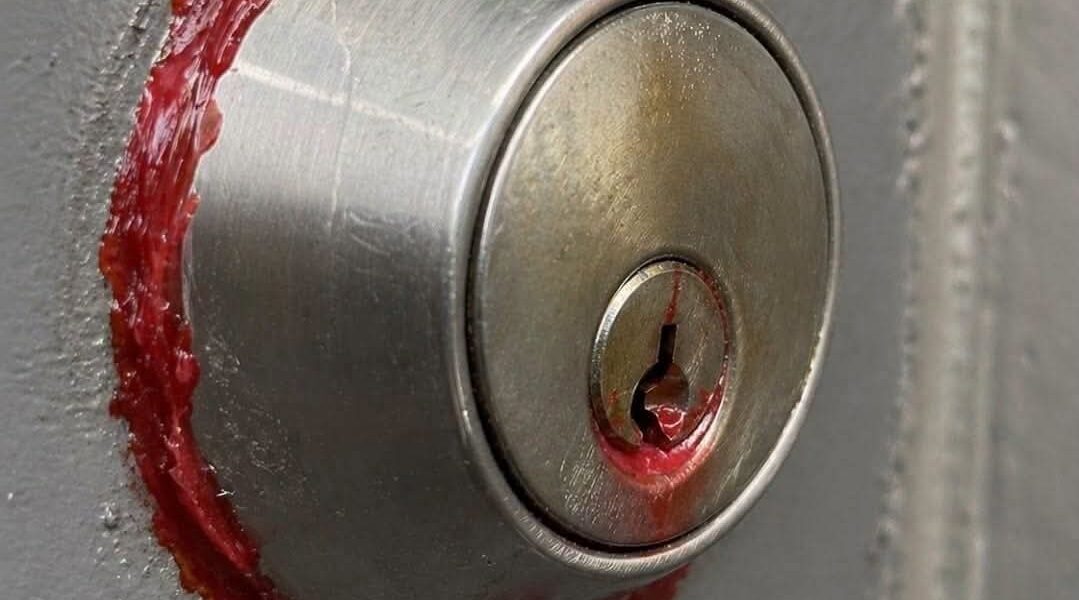
Red Wax on a Door Lock: What It Could Mean and What Homeowners Should Do
October 12, 2026Finding an unusual substance on the front door lock can be an unsettling experience, especially when there is no obvious explanation for how it got there. A small amount of red wax around a lock cylinder or near the keyhole may seem like a minor detail at first. However, when the substance appears unexpectedly, disappears after cleaning, and later returns, it is understandable that the homeowner may begin to wonder whether something unusual is happening.
Questions about mysterious marks on doors and locks frequently attract attention because they involve something everyone wants to feel secure about: the safety of their home. Some people worry that a strange substance could indicate vandalism, an attempted break-in, or someone checking whether a property is occupied. Others suspect a harmless accident, a prank, or residue from an everyday object.
The important thing is to distinguish between what is actually known and what is merely suspected. Red wax on a door lock does not automatically mean that a burglar has selected the property as a target. Its color alone cannot reveal who placed it there or what that person intended to accomplish. Nevertheless, unexplained material around an entry lock deserves a closer look, particularly if it appears more than once.
Understanding the possible explanations, recognizing signs of genuine interference, and taking sensible security precautions can help homeowners respond without unnecessary panic.
What Does Red Wax on a Door Lock Mean?
There is no universally established meaning that can be assigned to red wax on a residential door lock. Although stories sometimes describe colored substances as secret signals used by criminals, the presence of a particular color is not enough to establish that such a signal is being used in an individual case.
The material could have been transferred accidentally from another object, left behind during an activity near the entrance, or deliberately applied by someone for a reason that is not immediately apparent. It could also be associated with vandalism or interference with the lock.
One important distinction is whether the substance is simply spread across the outside of the lock or has been pushed into the keyhole. These situations are not necessarily equivalent. Material covering the exterior hardware may have a different explanation from a substance that obstructs the keyway or appears alongside scratches and other signs of damage.
The surrounding circumstances matter more than the color itself. A small mark that can be explained by recent maintenance is different from a fresh substance that repeatedly appears on a previously clean lock without the homeowner’s knowledge.
Could Red Wax Be a Sign of Burglary?
It is understandable that people associate unusual markings around their doors with burglary concerns. A residential lock is an important part of a home’s security, and unexpected changes to it naturally attract attention.
There have been reports of suspected burglars using physical markers to check whether homes appear to be occupied. However, these reports should not be confused with proof that red wax is a recognized criminal code.
The presence of red wax around a lock does not establish that a burglar has visited the property, examined the entrance, or planned to return. There may be several possible explanations, and the available evidence should determine how seriously the incident is treated.
Homeowners should therefore take a balanced approach. They do not need to assume the worst, but they should pay attention to evidence that something may have been deliberately disturbed.
Why Would Someone Put a Substance on a Door Lock?
Without additional evidence, it is impossible to identify a single explanation for an unfamiliar substance on a lock. Several possibilities may be worth considering.
1. Accidental Transfer From Another Object
One straightforward possibility is that a waxy or colored substance transferred to the lock during ordinary activities. Items carried in bags, decorative materials, crayons, candles, or other products can leave residue when they come into contact with a door or its hardware.
In some cases, the substance may not even be candle wax. Lip balm, lipstick, colored grease, paint, adhesive residue, or another material can produce a similar appearance in a photograph.
Looking at the texture and location of the substance may help a homeowner describe it accurately, but appearance alone may not identify its composition. If the material has entered the keyhole or the lock no longer operates normally, it is better to have the mechanism inspected rather than experimenting with different cleaning products.
2. A Prank or an Act of Vandalism
Another possibility is that someone deliberately placed the material on the door without intending to commit a burglary. Pranks, nuisance behavior, and minor acts of vandalism can leave unusual substances on exterior surfaces.
Although such behavior may not indicate a serious security threat, repeated incidents should not be ignored. A homeowner who finds the same unfamiliar substance on the same lock more than once may reasonably want to establish whether the material is being reapplied by another person.
Photographs, dates, and information about when the substance was last seen can help distinguish a repeated incident from a one-time occurrence. If there is evidence of deliberate damage or harassment, documenting the facts can also be useful when speaking with building management or the police.
3. Maintenance or Work Near the Entrance
Repair work, painting, installation, or other activities around a property can sometimes leave residue on nearby surfaces. A contractor or maintenance worker may have handled materials that accidentally came into contact with the lock.
Homeowners can consider whether anyone recently worked on the door, replaced hardware, painted nearby surfaces, or carried out another activity that might explain the mark.
If a maintenance visit provides a reasonable explanation, the situation may be resolved quickly. If no such activity occurred and the material appears again, further inspection may be appropriate.
4. Possible Interference With the Lock
In some circumstances, an unfamiliar substance may be associated with someone handling or interfering with the door hardware. The substance alone cannot establish that this has happened, but other signs may make the possibility more concerning.
Look for fresh scratches, damaged edges, loose hardware, an unusual obstruction in the keyhole, or a key that suddenly becomes difficult to insert or turn. A door that no longer closes properly may also deserve attention, although ordinary wear and mechanical problems can produce similar symptoms.
If the lock appears damaged or its operation has changed unexpectedly, avoid forcing the key or attempting complicated repairs. A qualified locksmith can inspect the cylinder and determine whether cleaning, repair, or replacement is necessary.
Why Would the Wax Appear Again After It Was Removed?
One of the most concerning details in stories about red wax on door locks is the claim that the material was cleaned away but later appeared again. Understandably, this raises questions about whether someone is returning to the property.
There are several possible explanations, and they should not be treated as equally likely without additional information.
First, some residue may remain in grooves or around the edges of the lock after an initial cleaning. A second inspection may reveal material that was not removed completely. It is also possible that the substance was transferred again from an object or from someone handling the door.
Another possibility is that a person deliberately reapplied the material. If photographs confirm that the area was completely clean and the same substance later appeared again without an obvious explanation, that detail is worth documenting.
However, repeated appearance does not automatically establish criminal intent. It does not prove that someone is monitoring the homeowner, testing the lock, or preparing for a break-in. Those conclusions require evidence beyond the presence of the material.
A sensible response is to record the condition of the lock, note when the material appears, review any available camera footage, and arrange a professional inspection if necessary. If the substance is repeatedly placed on the lock by an unidentified person, the homeowner can report the pattern to the appropriate local authorities.
Does the Red Color Have a Special Meaning?
Red is a visually noticeable color, which can make a mark seem particularly deliberate. When people encounter an unusual red substance on a door, they may assume the color represents a warning or a message.
However, color alone is not a reliable way to interpret an unexplained mark. There is no established universal system in which red wax on a residential lock always communicates a particular message about the people living inside or the property’s security.
Claims that specific colors automatically indicate valuable possessions, an empty house, a vulnerable resident, or an intended burglary target should be treated cautiously unless reliable evidence supports the particular claim.
Rather than trying to decode the color, homeowners should concentrate on observable facts: where the material is located, whether the lock has been damaged, whether the substance has appeared repeatedly, and whether anyone has been seen behaving suspiciously near the entrance.
This approach is more useful than relying on rumors because it helps residents make decisions based on what they can actually verify.
What Should You Do If You Find Red Wax on Your Front Door Lock?
Discovering an unfamiliar substance does not mean that an emergency is automatically taking place. Nevertheless, a few straightforward precautions can help preserve information about the incident and ensure that the door remains secure.
1. Photograph the Lock Before Cleaning It
Take clear photographs of the substance and the surrounding hardware before removing anything. Capture both a close-up of the affected area and a wider image showing the location on the door.
Photographs can help document the original condition of the lock if the material disappears during cleaning. If the same substance appears again, comparing dated photographs may help establish whether the marks look similar and whether they occupy the same area.
Keep the images with a short written note recording the date, approximate time, and circumstances in which the material was discovered. Avoid adding assumptions about who may have placed it there.
2. Inspect the Surrounding Door Area
After documenting the substance, examine the door and nearby entry points from a safe position. Look for visible damage, scratches, loose fittings, unusual marks, or other changes that were not present before.
Check the door frame and handle as well as the lock itself. If the entrance is part of a shared building, consider whether the common entry door or nearby hardware also shows signs of interference.
Do not assume that every scratch or irregularity is evidence of an attempted break-in. Locks and doors naturally experience wear, and some damage may have existed before the substance appeared. The goal is to identify changes that can reasonably be connected with the incident.
3. Avoid Forcing the Key Into the Lock
If the substance appears to have entered the keyhole, do not force a key into the cylinder in an attempt to push it aside. Doing so may make the obstruction worse or damage the mechanism.
Likewise, avoid pouring solvents, oils, or household cleaning products into the keyway without professional guidance. Some products can interfere with lock components or make a repair more difficult.
If the key does not enter or turn normally, contact a qualified locksmith. A professional can examine the cylinder, identify the problem, and recommend an appropriate repair.
4. Check Available Security Camera Footage
If the property has a doorbell camera, exterior security camera, or access to shared-building surveillance, review the footage around the time the substance may have appeared.
Focus on relevant recordings and observable activity rather than making assumptions about unfamiliar people. A person passing the entrance is not necessarily connected to the incident, and a recording may not show enough detail to identify what happened.
If footage appears to show someone deliberately applying material to the lock or damaging the door, preserve the original recording where possible. It may be useful when reporting the incident to the police or building management.
For homes without cameras, a security camera is one possible future improvement, but purchasing one is not a substitute for investigating visible damage or reporting a credible concern.
5. Ask Whether Anyone Has a Reasonable Explanation
Depending on the circumstances, it may be useful to ask household members, trusted neighbors, building management, or recent maintenance workers whether they noticed anything unusual.
Someone may have seen work being carried out near the entrance or may be able to explain how the substance got there. In a shared building, management may also know about recent repairs or similar reports from other residents.
There is no need to confront a person simply because they were nearby. If the situation appears suspicious or potentially dangerous, allow the appropriate authorities to investigate rather than attempting to identify or challenge someone yourself.
6. Contact a Locksmith if the Lock Looks Compromised
A locksmith can assess whether the substance is affecting the lock, whether the cylinder has been damaged, and whether the door hardware is functioning properly.
Depending on the findings, the professional may recommend removing residue safely, repairing the cylinder, changing the lock, or improving the door’s overall security.
Changing a lock is not automatically necessary whenever an unfamiliar substance appears. The decision should depend on the condition of the hardware, whether there are signs of tampering, and whether the homeowner has a reasonable basis for believing the lock may no longer be secure.
7. Report Repeated or Suspicious Incidents
If the material repeatedly appears without explanation, if there are clear signs of attempted entry, or if someone has been observed interfering with the door, contact local police or the relevant non-emergency reporting service.
Provide the photographs, dates, and any relevant recordings. Explain exactly what was observed and distinguish those observations from any concerns about what the material might mean.
If someone appears to be trying to enter the property or there is an immediate threat to personal safety, move to a safe place and contact emergency services.
How Can You Make Your Home More Secure?
An unexplained mark on a lock can be a useful reminder to review basic home security. These precautions are sensible whether the substance turns out to be harmless or whether further investigation is needed.
Maintain the Front Door and Lock
Check that the door closes securely, the frame is stable, and the lock operates as intended. Loose fittings, worn components, and mechanical problems should be addressed before they become more serious.
If the lock is old or unreliable, ask a qualified locksmith whether it should be repaired or replaced. A properly installed lock is more useful than an expensive product that does not fit the door correctly.
Improve Exterior Lighting
Good lighting around entrances, pathways, and garages can make it easier for residents to see what is happening near the property. Motion-activated lights may be particularly useful in areas that remain dark for long periods.
Lighting should complement, rather than replace, secure doors and windows. It is also worth checking that exterior lights are working correctly and that important entry areas are not unnecessarily obscured.
Consider a Doorbell Camera or Security Camera
A camera can provide a record of activity near an entrance and may help homeowners understand when an unexplained mark appeared. Some systems also provide motion notifications, allowing residents to review relevant activity more quickly.
Before installing a camera, consider privacy, local regulations, and the rights of neighbors or other residents. Position the device to monitor your own entrance as much as possible, and secure recordings so that only authorized people can access them.
Secure Other Entry Points
Home security involves more than the front door. Windows, patio doors, garages, basement entrances, and secondary doors should also be checked regularly.
Make sure windows close properly, garage doors operate reliably, and keys are not left in obvious or unsecured locations. If a property has several entrances, establish a routine for checking them before leaving home or going to bed.
Be Careful With Public Information About Travel
When leaving home for an extended period, consider limiting public posts that reveal the property will be unoccupied. Trusted neighbors or family members may be able to keep an eye on the property while the residents are away.
These precautions are part of ordinary security planning. They should not be interpreted as evidence that a particular mark on a lock means someone has been watching the home.
What If You Live Alone?
Finding something unusual on a front door can feel especially worrying for someone who lives alone. Without another household member present to check the door or confirm what happened, it may be more difficult to determine whether the situation is harmless.
The first priority is to make sure the entrance is secure. If the lock is damaged, the door appears to have been forced, or there are signs that someone may have entered without permission, avoid investigating a potentially unsafe situation alone.
Contact a trusted person, building manager, locksmith, or the police as appropriate. If there is reason to believe someone is currently inside the home without permission, move to safety and contact emergency services instead of entering to investigate.
For a person living alone, a working exterior light, a reliable lock, and a trusted contact can provide practical reassurance. A camera or an agreed check-in arrangement may also be helpful, depending on individual circumstances.
It is important to remember that living alone does not automatically make someone a target. The presence of an unfamiliar substance should be assessed according to the actual evidence, not assumptions about who lives in the property.
Should You Remove the Red Wax Immediately?
The answer depends on where the material is located and whether there are signs of a security problem.
If the substance is on the outside of the lock and the hardware appears undamaged, photograph it first. Once the condition has been documented, it may be possible to remove superficial residue using a method suitable for the material and finish.
However, if the substance is lodged inside the keyhole, the lock is difficult to operate, or there are signs of interference, avoid attempting to clear the mechanism yourself. A locksmith can determine the safest way to inspect and clean the cylinder.
If there is evidence of deliberate tampering, document the incident and consider contacting the police before disturbing material that could be relevant to an investigation.
After the issue has been assessed, continue checking the lock periodically. Repeated unexplained changes are more useful to document than a single mark viewed in isolation.
Common Myths About Marks on Residential Doors
Stories about secret symbols used by burglars often circulate on social media. These stories can make ordinary marks seem threatening, particularly when they are accompanied by dramatic explanations that cannot be independently verified.
Myth: Red Wax Always Means a House Has Been Targeted
There is no reliable basis for treating every instance of red wax as proof of a planned burglary. The substance may have several possible explanations, and its color does not establish intent.
Myth: Every Unusual Mark Is a Secret Criminal Code
Marks and residues can result from everyday activities, maintenance, vandalism, or deliberate interference. A specific code should not be assumed without credible evidence that it is being used in the situation being discussed.
Myth: Removing the Wax Guarantees That the Problem Is Solved
Cleaning the exterior may remove the visible substance, but it does not explain how it appeared. If there are signs of damage or the material repeatedly returns, the underlying issue may require further attention.
Myth: A Homeowner Must Replace the Entire Lock Immediately
Replacement may be appropriate if the lock is damaged or cannot be trusted to operate securely. However, an unexplained mark alone does not establish that replacement is necessary. An inspection can help determine the correct response.
What Does the Evidence Actually Tell Us?
When evaluating a report about red wax on a door lock, it helps to separate three things: the physical observation, the possible explanations, and the conclusions that can reasonably be drawn.
The physical observation may be straightforward: a red, wax-like substance is visible around the lock. If it was removed and later appeared again, that sequence is also relevant, provided the observations are accurate.
The possible explanations are broader. The material may have been transferred accidentally, placed there as a prank, left during nearby work, or deliberately applied for an unknown reason. Interference with the lock is another possibility if the surrounding evidence supports that concern.
The conclusion, however, must remain limited to what the available evidence establishes. The color and appearance of the substance do not identify the person responsible or prove that a burglary is planned.
Reliable reporting about home security should not turn a possibility into a certainty. It should explain what is known, acknowledge what remains unclear, and help readers decide what practical steps make sense.
When Should You Take the Situation More Seriously?
Although not every unusual mark represents a threat, certain circumstances justify more immediate attention.
- The substance has appeared repeatedly after the area was documented and cleaned.
- The keyhole appears obstructed or the lock no longer functions normally.
- There are fresh scratches, broken components, or other unexplained signs of damage.
- Security footage appears to show someone deliberately interfering with the entrance.
- Neighbors report similar unexplained incidents in the same building.
- There are signs of forced entry or reason to believe someone has entered the property without permission.
These observations do not all prove criminal activity, but they provide a stronger reason to investigate than color alone. The appropriate response depends on the severity of the circumstances, the condition of the lock, and whether anyone appears to be in immediate danger.
Final Thoughts: Stay Alert Without Jumping to Conclusions
Finding red wax around a front door lock can be unsettling, especially when the substance appears more than once. It is natural to wonder whether someone has deliberately marked the entrance or whether the home may be at risk.
Nevertheless, red wax does not have a universally established meaning, and its presence alone cannot confirm that a property has been selected for burglary. Reports about other physical markers should not be confused with an unverified claim that red wax always signals criminal activity.
The most useful response is to remain calm, photograph the material, inspect the door for visible damage, and determine whether the lock operates normally. If the substance is lodged inside the keyhole, the mechanism appears damaged, or the material repeatedly returns without explanation, a qualified locksmith can assess the lock and local authorities can advise on reporting suspicious circumstances.
Good home security is based on observation, prevention, and proportionate action. Rather than relying on rumors about secret codes, homeowners can protect themselves more effectively by maintaining secure entry points, improving lighting, reviewing available camera footage, and documenting unusual incidents.
An unfamiliar mark may turn out to have a simple explanation. If it does not, taking a few sensible precautions can help establish what happened and address any genuine security concerns without allowing uncertainty to become unnecessary fear.