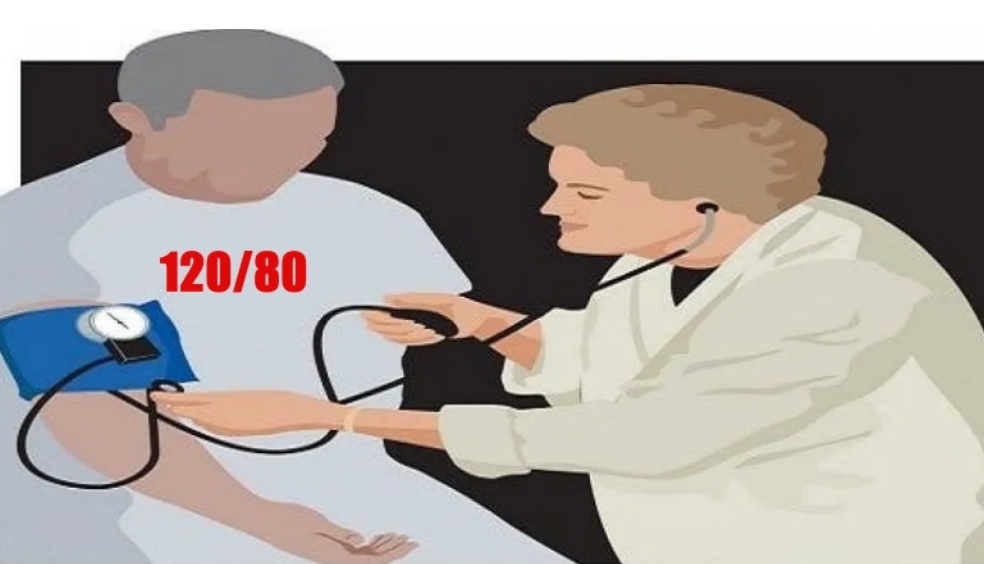
Is 120/80 Normal Blood Pressure? What the Numbers Really Mean
November 5, 2026For decades, 120/80 mmHg has been one of the most recognizable numbers in medicine. Many adults have heard it described as the ideal blood pressure reading.
But here’s something that may surprise you: under current American Heart Association guidelines, a reading of exactly 120/80 does not fall into the strictly defined normal blood pressure category.
Does that mean everyone with a reading of 120/80 has a dangerous health condition? Absolutely not.
The explanation involves how blood pressure categories are defined, what the two numbers represent, and why doctors look at more than a single measurement.
Understanding these differences can help you interpret your readings without unnecessary fear or false reassurance.
Is 120/80 Normal Blood Pressure?
According to the American Heart Association (AHA), normal blood pressure for most adults is defined as a systolic pressure below 120 mmHg and a diastolic pressure below 80 mmHg.
That distinction matters because a reading of exactly 120/80 sits at the boundary of the traditional benchmark.
Under the AHA’s current classification, a diastolic reading of 80 falls within the Stage 1 hypertension range, even when the systolic reading is 120.
However, a single reading of 120/80 does not establish a diagnosis of hypertension.
Blood pressure naturally changes throughout the day, and healthcare professionals generally use averages from multiple properly obtained readings to assess whether someone has persistently elevated blood pressure.
What Do the Two Blood Pressure Numbers Mean?
Blood pressure is recorded using two numbers, measured in millimeters of mercury (mmHg).
The Top Number: Systolic Pressure
Systolic blood pressure measures the pressure in your arteries when your heart contracts and pumps blood.
For example, in a reading of 120/80, the systolic pressure is 120 mmHg.
The Bottom Number: Diastolic Pressure
Diastolic blood pressure measures the pressure in your arteries when your heart relaxes between beats.
In a reading of 120/80, the diastolic pressure is 80 mmHg.
Both numbers are important. A healthcare professional considers either number when evaluating blood pressure.
Blood Pressure Categories According to the American Heart Association
The 2025 American Heart Association and American College of Cardiology guideline identifies the following categories for nonpregnant adults.
| Category | Systolic (mmHg) | Diastolic (mmHg) |
|---|---|---|
| Normal | Below 120 | Below 80 |
| Elevated | 120–129 | Below 80 |
| Stage 1 Hypertension | 130–139 | 80–89 |
| Stage 2 Hypertension | 140 or higher | 90 or higher |
Important: For Stage 1 and Stage 2 hypertension, reaching the threshold in either the systolic or diastolic number places a reading in the corresponding category. If the two numbers fall into different categories, the higher category applies.
These classifications describe blood pressure levels. They should not be used to diagnose hypertension from a single measurement.
Why Has 120/80 Been Considered a Healthy Blood Pressure?
The number 120/80 became widely recognized as a convenient reference point for blood pressure.
For many years, it was commonly used in public health education to explain what a desirable reading looked like.
However, medical guidelines have evolved as researchers have learned more about cardiovascular risk.
Evidence shows that the risk of heart disease and stroke can increase gradually as blood pressure rises, rather than beginning at one sudden cutoff.
The updated categories are designed to encourage earlier awareness and prevention.
They do not mean that a person with a single reading of 120/80 is automatically in immediate danger.
Does a Reading of 120/80 Mean You Need Medication?
Not necessarily.
Blood pressure treatment depends on more than one reading.
Healthcare professionals consider factors such as:
- Average blood pressure over time
- Age and overall health
- Existing cardiovascular disease
- Diabetes or chronic kidney disease
- Estimated risk of future cardiovascular events
- Current medications and other medical conditions
For many adults with mildly elevated readings, lifestyle changes and continued monitoring may be appropriate.
Medication decisions should be made with a qualified healthcare professional using confirmed measurements and individual risk factors.
Never start, stop, or change prescribed blood pressure medication based only on an online article.
Why Your Blood Pressure Changes Throughout the Day
Blood pressure is not a fixed number.
It changes naturally depending on your activities, emotional state, sleep, and other factors.
Several common situations can temporarily affect a reading.
Stress and Anxiety
Feeling anxious or stressed can temporarily increase blood pressure.
Physical Activity
Exercise causes short-term changes in blood pressure as your heart works harder to deliver oxygen to your muscles.
Caffeine and Nicotine
Caffeine and nicotine can temporarily raise blood pressure in some individuals.
Incorrect Measurement Technique
Crossing your legs, talking during a measurement, using an incorrectly sized cuff, or holding your arm in the wrong position can affect the result.
Medical Settings
Some people experience higher readings in a doctor’s office than at home, a phenomenon commonly called white-coat hypertension.
These variations are among the reasons doctors may recommend home blood pressure monitoring.
How to Measure Your Blood Pressure Correctly at Home
Accurate measurement is essential when evaluating blood pressure.
The Centers for Disease Control and Prevention recommends several practical steps.
Step 1: Prepare Before Measuring
Avoid smoking, caffeine, and exercise for at least 30 minutes before taking a reading.
Empty your bladder before sitting down.
Step 2: Sit Quietly
Rest in a comfortable chair for at least five minutes.
Keep your back supported and both feet flat on the floor.
Step 3: Position Your Arm
Place your arm on a table so the cuff is approximately at heart level.
Use a properly sized cuff on bare skin.
Step 4: Remain Still
Avoid talking, moving, or checking your phone while the monitor is measuring.
Step 5: Take Multiple Readings
Take at least two readings approximately one or two minutes apart.
Record the results and follow your healthcare professional’s recommendations about how frequently to measure.
What Can You Do to Maintain Healthy Blood Pressure?
Healthy daily habits can help support cardiovascular health and blood pressure management.
Follow a Heart-Healthy Eating Pattern
Eating vegetables, fruits, whole grains, legumes, and other nutrient-rich foods can support heart health.
The DASH eating plan is one evidence-based approach commonly recommended for blood pressure management.
Reduce Excess Sodium
Limiting excessive sodium intake can help lower blood pressure, particularly in people who are sensitive to salt.
Stay Physically Active
Regular physical activity can improve cardiovascular fitness and help manage blood pressure.
Maintain a Healthy Weight
For people who are overweight, achieving a healthier weight can contribute to improved blood pressure control.
Get Adequate Sleep
Consistent, sufficient sleep supports overall cardiovascular health.
Avoid Tobacco and Limit Alcohol
Avoiding tobacco and limiting or eliminating alcohol are important steps for reducing cardiovascular risk.
Individual lifestyle recommendations should be discussed with a healthcare professional, particularly if you have an existing medical condition.
When Is High Blood Pressure an Emergency?
Extremely high blood pressure can require urgent medical attention.
The American Heart Association identifies readings higher than 180 mmHg systolic and/or higher than 120 mmHg diastolic as severe.
If your reading is in this range and you have symptoms such as chest pain, shortness of breath, weakness, numbness, vision changes, or difficulty speaking, call emergency services immediately.
If your blood pressure is higher than 180/120 without these symptoms, follow AHA guidance to repeat the measurement after at least one minute and contact a healthcare professional promptly if it remains that high.
Do not wait for a blood pressure measurement if you develop symptoms that could indicate a heart attack or stroke.
Frequently Asked Questions
Is 120/80 considered normal blood pressure in 2026?
Under current AHA guidelines, normal blood pressure is below 120 systolic and below 80 diastolic. Exactly 120/80 does not meet that strict definition. However, a single reading does not establish hypertension.
Is 120/80 dangerous?
A single reading of 120/80 is not generally a medical emergency. Its significance depends on repeated measurements and individual health factors.
What is the ideal blood pressure for adults?
The AHA defines normal adult blood pressure as below 120/80 mmHg, meaning both numbers must be below their respective thresholds.
Can anxiety increase blood pressure?
Yes. Anxiety and stress can temporarily increase blood pressure. Repeated measurements taken under appropriate conditions help provide a more reliable assessment.
Should I worry if my blood pressure is 130/80?
A reading of 130/80 falls within the Stage 1 hypertension category under AHA guidelines. It is worth discussing with a healthcare professional, particularly if similar readings occur repeatedly.
Can high blood pressure occur without symptoms?
Yes. High blood pressure often causes no noticeable symptoms, which is why regular measurement is important.
How many readings are needed to diagnose high blood pressure?
Clinical guidelines generally rely on averages of at least two carefully obtained readings on at least two occasions, with additional home or ambulatory monitoring when appropriate.
Does everyone with Stage 1 hypertension need medication?
No. Treatment depends on confirmed blood pressure levels and cardiovascular risk. Some people may initially be advised to make lifestyle changes, while others may benefit from medication.
Final Thoughts
The familiar blood pressure reading of 120/80 is not quite as straightforward as many people assume.
Under current American Heart Association guidelines, normal blood pressure is defined as less than 120 systolic and less than 80 diastolic.
Because a diastolic value of exactly 80 reaches the Stage 1 category threshold, a reading of 120/80 does not meet the strict definition of normal.
However, this does not mean that everyone with a reading of 120/80 has a dangerous medical condition or requires treatment.
The most important factors are accurate measurements, consistent monitoring, overall cardiovascular risk, and professional medical guidance.
Understanding your blood pressure numbers is an important step toward protecting your long-term heart health.
Sources and Further Reading
- American Heart Association — Understanding Blood Pressure Readings
- American Heart Association and American College of Cardiology — 2025 High Blood Pressure Guideline
- Centers for Disease Control and Prevention — Measuring Your Blood Pressure
- American Heart Association — How to Manage High Blood Pressure
Medical information notice: This article is for general educational purposes and does not replace individualized medical advice, diagnosis, or treatment.