Tiny Holes in Clothes: 6 Causes and How to Prevent Them
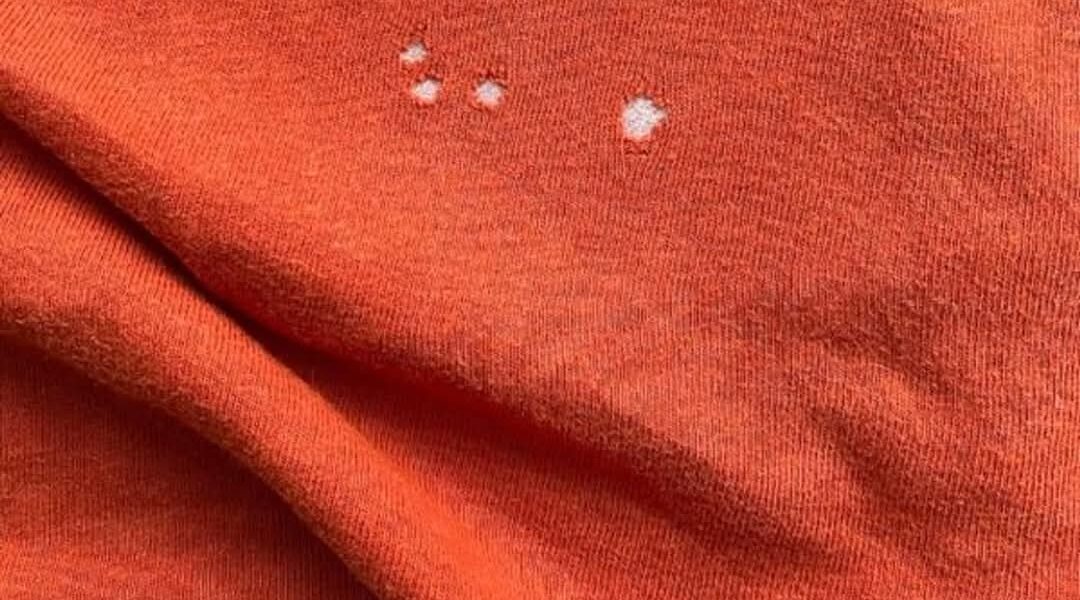
November 7, 2026Have you ever pulled your favorite T-shirt out of the laundry, only to discover several tiny holes that weren’t there before?
At first, they might seem harmless. Maybe you notice two or three little openings near the bottom of your shirt, or a cluster of holes in a sweater you’ve owned for years.
But when the same thing starts happening to multiple pieces of clothing, it’s natural to wonder what’s causing the damage.
Many people immediately blame moths. Others suspect their washing machine, cheap fabric, or something hiding inside their closet.
The surprising truth is that tiny holes in clothes can have several completely different causes. And where the holes appear may offer an important clue.
Here’s how to recognize the most common causes, what to check in your home, and how to prevent the damage from happening again.
What Do Tiny Holes in Clothes Actually Mean?
Small holes in clothing usually indicate that fibers have been weakened, broken, or removed from the fabric.
This can happen because of repeated friction, mechanical damage, fabric deterioration, or insects that feed on certain textile fibers.
However, the appearance of a few holes is not enough to identify the exact cause.
For example, a cotton T-shirt with holes near the waistband may have been damaged by repeated rubbing against a belt buckle or countertop.
A wool sweater with irregular holes that developed while stored in a closet may suggest insect activity.
And a delicate garment with new snags after washing could have been damaged by a zipper, hook, or rough surface.
The best way to solve the problem is to look for patterns rather than assume every hole comes from the same source.
1. Friction From Jeans, Belts, and Countertops
One of the most common explanations for tiny holes near the front bottom of a T-shirt is repeated friction.
Think about what happens when you lean against a kitchen counter, desk, or table.
Your shirt may become trapped between the hard surface and the button, zipper, or belt buckle on your pants.
Over time, repeated rubbing can weaken the fabric until small holes appear.
This type of damage often develops in a specific area rather than across the entire garment.
Signs That Friction May Be Responsible
- Holes appear near the lower front of shirts.
- Several shirts develop damage in approximately the same location.
- The fabric around the holes looks thin or worn.
- You frequently wear jeans, belts, or clothing with metal hardware.
- The affected area regularly rubs against countertops or desks.
If the holes repeatedly appear in the same spot, friction is a reasonable possibility to investigate.
2. Clothes Moths Can Damage Certain Fabrics
Clothes moths are another possible cause, especially when damage appears in stored clothing made from animal fibers.
However, adult clothes moths are not responsible for eating holes in fabric.
It is their larvae that feed on susceptible materials.
Clothes moth larvae commonly damage wool, cashmere, fur, feathers, and other animal-derived fibers.
They may also affect blended fabrics containing animal fibers.
Clean synthetic fabrics and ordinary cotton are generally less attractive food sources, although certain soiled fabrics can be affected under some conditions.
Signs of Possible Clothes Moth Activity
- Irregular holes in wool or cashmere garments.
- Damage to clothing that has been stored for a long time.
- Silken webbing or small cases near affected fabrics.
- Larvae or other signs of insect activity in storage areas.
- Damage concentrated in dark, undisturbed closets or drawers.
If you suspect clothes moths, inspect nearby garments and storage areas rather than relying on the holes alone.
3. Carpet Beetles May Also Be Responsible
Carpet beetles are another household pest that can damage textiles.
Like clothes moths, the damaging stage is the larva rather than the adult insect.
Carpet beetle larvae feed on a variety of animal-derived materials, including wool, fur, feathers, and certain other natural fibers.
They may be found in closets, carpets, upholstered furniture, and areas where lint, pet hair, or other organic debris accumulates.
Damage can sometimes resemble that caused by clothes moths.
What to Look For
- Small, hairy or bristly larvae.
- Shed larval skins near fabric or baseboards.
- Irregular damage to wool or other animal-fiber items.
- Accumulations of lint or pet hair in undisturbed areas.
Finding larvae or shed skins is more useful evidence than the shape of a hole by itself.
4. Your Washing Machine Could Be Contributing to the Damage
Sometimes clothing develops small holes because of mechanical stress during washing or drying.
Overloading the washing machine, washing delicate fabrics with heavy garments, or leaving zippers and hooks exposed can increase the risk of snags and abrasion.
Rough edges inside a washer or dryer may also catch fabric.
However, finding holes after a wash cycle does not necessarily mean the machine caused them. The damage may have started earlier and become more visible during laundering.
How to Reduce Laundry-Related Damage
- Close zippers and fasten hooks before washing.
- Separate delicate fabrics from heavy jeans and towels.
- Use mesh laundry bags for fragile garments.
- Avoid overloading the washer.
- Follow the garment’s care label.
- Inspect the washer drum for rough edges if snags occur repeatedly.
5. Thin or Worn Fabric Can Develop Holes Over Time
Not every damaged garment has been attacked by insects or caught in a machine.
Fabric naturally experiences wear through regular use.
Repeated stretching, washing, rubbing, and exposure to everyday stress can gradually weaken textile fibers.
Lightweight knit shirts may be particularly vulnerable in high-friction areas.
When the fabric becomes thin enough, small openings can develop.
This is more likely when a garment has been worn frequently or has already started to show signs of pilling, thinning, or stretched stitches.
6. Bleach and Other Chemicals Can Weaken Fabric
Certain chemicals can damage textile fibers.
Chlorine bleach, for example, can weaken some fabrics when used improperly or at excessive concentrations.
Accidental splashes of cleaning products may also contribute to localized damage.
Depending on the fabric and chemical involved, the affected area may first show discoloration or weakening before holes develop.
If damage repeatedly appears after cleaning activities, consider whether clothing may be contacting household chemicals.
Always follow product labels and garment care instructions when using laundry and cleaning products.
How to Identify What’s Causing the Holes
Before replacing your clothing or treating your home for pests, take a few minutes to examine the damage.
| What You Notice | Possible Explanation |
|---|---|
| Small holes near the front waistband | Friction from buttons, belts, or countertops |
| Irregular holes in stored wool sweaters | Clothes moths or carpet beetles |
| Snags after washing | Zippers, hooks, rough surfaces, or laundry friction |
| Thin fabric around the holes | General wear and repeated abrasion |
| Discoloration followed by weakened fabric | Possible chemical damage |
| Larvae, webbing, or shed insect skins nearby | Possible textile pest activity |
These patterns are clues, not definitive diagnoses. More than one cause may be involved.
What Should You Do If You Suspect Clothes Moths or Carpet Beetles?
If the damage suggests a possible insect problem, focus on identifying the pest and removing the source.
Step 1: Inspect Nearby Clothing
Check wool sweaters, blankets, scarves, and other susceptible items.
Pay attention to seams, folds, and areas that have remained undisturbed.
Step 2: Look for Physical Evidence
Search for larvae, shed skins, webbing, or other signs of activity.
Adult insects alone may not identify the exact source of textile damage.
Step 3: Clean Affected Garments
Wash or professionally dry-clean items according to their care labels.
Appropriate cleaning can help remove insects and eggs from affected textiles.
Step 4: Vacuum Storage Areas
Thoroughly vacuum closets, baseboards, carpet edges, and areas where lint or pet hair accumulates.
Dispose of vacuum contents promptly and carefully.
Step 5: Store Clean Clothes Properly
Once garments have been cleaned and inspected, store vulnerable items in sealed containers or suitable garment storage bags.
Avoid storing dirty wool or cashmere for long periods.
Step 6: Seek Professional Help When Necessary
If insect activity continues or you cannot identify the source, consider contacting a qualified pest management professional.
Avoid applying pesticides directly to clothing unless the product is specifically labeled for that use.
How to Prevent Tiny Holes in Your Clothes
Preventing future damage depends on addressing the actual cause.
For everyday clothing, several simple habits can make a difference.
- Reduce repeated friction: Pay attention to shirt fabric rubbing against belt buckles, buttons, and countertops.
- Wash garments carefully: Separate delicate items and close exposed fasteners.
- Follow care labels: Use suitable wash temperatures and drying methods.
- Inspect storage areas: Check wool and other susceptible fabrics for insect activity.
- Keep closets clean: Remove dust, lint, and accumulated pet hair.
- Store seasonal clothing clean: Use protective storage for items that will not be worn for several months.
- Avoid chemical exposure: Protect clothing when using bleach and household cleaning products.
Can You Repair Tiny Holes in Clothing?
Yes. Many small holes can be repaired, especially when the surrounding fabric is still strong.
Repairing a Cotton T-Shirt
A small hole in a knit T-shirt may be closed using a fine needle and matching thread.
Work gently to bring the edges together without pulling the fabric too tightly.
Repairing a Wool Sweater
Small holes in wool or cashmere may be repaired using darning or professional knitwear mending techniques.
For valuable garments, a professional repair service may provide a less noticeable result.
Using an Iron-On Patch
For suitable fabrics, a lightweight fusible patch placed on the inside can help reinforce a small damaged area.
Always check whether the garment can safely tolerate the required heat.
If the surrounding fabric is severely weakened, a repair may not hold for long.
Do Tiny Holes Mean Your Home Has an Insect Infestation?
No. Discovering a few holes in your clothes does not automatically mean your home has a pest infestation.
Insect damage is only one possible explanation.
In many cases, friction or ordinary wear may be more consistent with the location and appearance of the holes.
Before using pest control products, look for additional evidence such as larvae, webbing, shed skins, or damage to multiple susceptible fabrics.
Identifying the cause first can save time, money, and unnecessary treatment.
Frequently Asked Questions
Why do my T-shirts get tiny holes near the bottom?
Repeated friction from jeans buttons, belt buckles, or countertops is a possible explanation, especially when the holes consistently appear near the front waistband.
Are tiny holes in clothes always caused by moths?
No. Friction, fabric wear, laundry damage, chemical exposure, and carpet beetle larvae are other possible causes.
Do clothes moths eat cotton?
Clothes moth larvae primarily feed on animal-derived fibers such as wool, fur, and feathers. Ordinary clean cotton is generally not their preferred food source, although soiled or blended fabrics may sometimes be affected.
Can washing machines cause small holes?
Yes. Snags, exposed fasteners, rough surfaces, and excessive mechanical stress can contribute to damage during washing.
How can I tell if carpet beetles are damaging my clothes?
Look for hairy larvae, shed skins, and irregular damage to susceptible textiles. The holes alone are not enough for a reliable identification.
Can I save a shirt with several tiny holes?
Often, yes. Small holes may be repaired with careful stitching or fabric reinforcement, depending on the garment’s material and condition.
Does finding holes in clothes mean I need pest control?
Not necessarily. First inspect the clothing and storage area for signs of insects. Pest treatment is not justified by holes alone.
How do I stop holes from appearing in new shirts?
Look for repeated friction points, adjust laundry habits, protect delicate fabrics, and inspect storage areas if insect damage is suspected.
Final Thoughts
Finding tiny holes in your favorite clothes can be frustrating, especially when you don’t know where they came from.
But those small openings do not automatically mean moths are hiding in your closet.
Friction from everyday activities, washing machine snags, fabric wear, chemical exposure, and textile pests can all contribute to clothing damage.
The location of the holes, the type of fabric, and any additional evidence can help narrow down the cause.
Before throwing away a favorite shirt or treating your entire closet, take a closer look at the pattern of damage.
Have you ever found tiny holes near the bottom of your T-shirts? You might be surprised how many people have experienced the same thing.
Sources and Further Reading
- University of California Integrated Pest Management — Clothes Moths
- University of California Integrated Pest Management — Carpet Beetles
- University of Minnesota Extension — Clothes Moths and Carpet Beetles
- Smithsonian Museum Conservation Institute — Care of Textiles