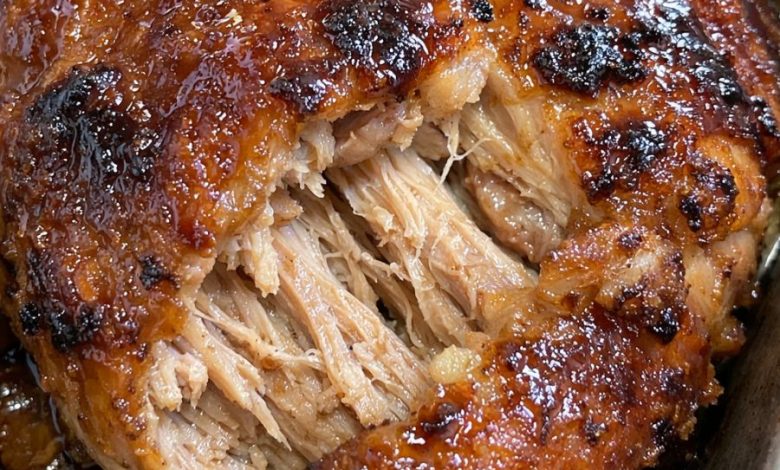
Best Brown Sugar Garlic Pork Roast
July 14, 2026It is an easy oven-baked dinner that looks impressive but requires only a few minutes of hands-on preparation. Serve it with mashed potatoes, roasted vegetables, rice, or warm dinner rolls for a comforting meal the whole family can enjoy.
The recipe works especially well with pork shoulder or pork butt because these cuts contain enough fat and connective tissue to become exceptionally tender during slow cooking. After several hours in the oven, the meat can be sliced or pulled apart easily with a fork.
Why You’ll Love This Brown Sugar Garlic Pork Roast
- Tender and juicy: Slow roasting keeps the pork moist and allows it to become fork-tender.
- Caramelized exterior: Brown sugar creates a glossy, deeply browned crust.
- Simple ingredients: The recipe uses easy-to-find pantry seasonings.
- Minimal preparation: Most of the cooking time is completely hands-off.
- Perfect for leftovers: The cooked pork is delicious in sandwiches, tacos, bowls, and casseroles.
- Family-friendly: The sweet and savory flavors make this an easy crowd-pleasing dinner.
Ingredients
For the Pork Roast
- 1 boneless pork shoulder or pork butt roast, approximately 4 to 5 pounds
- 2 tablespoons olive oil
- 1 1/2 teaspoons kosher salt
- 1 teaspoon ground black pepper
- 1 teaspoon smoked paprika
- 1 teaspoon onion powder
- 1/2 teaspoon dried thyme
For the Brown Sugar Garlic Glaze
- 1/2 cup packed light brown sugar
- 5 garlic cloves, finely minced
- 2 tablespoons Dijon mustard
- 2 tablespoons Worcestershire sauce
- 1 tablespoon apple cider vinegar
- 1 tablespoon soy sauce
- 1 teaspoon smoked paprika
- 1/2 teaspoon ground black pepper
For the Roasting Pan
- 1 large yellow onion, sliced
- 1 cup chicken broth or low-sodium beef broth
- 2 tablespoons unsalted butter, cut into small pieces
Kitchen Equipment
- Large roasting pan or Dutch oven
- Small mixing bowl
- Sharp knife
- Cutting board
- Measuring cups and spoons
- Aluminum foil or a tight-fitting lid
- Instant-read meat thermometer
How to Make Brown Sugar Garlic Pork Roast
Step 1: Preheat the Oven
Preheat the oven to 325°F. Arrange the sliced onion evenly across the bottom of a large roasting pan or Dutch oven. Pour the broth around the onions.
Step 2: Prepare the Pork
Remove the pork roast from its packaging and pat it thoroughly dry with paper towels. Drying the surface helps the seasoning adhere and encourages better browning.
If the pork has a very thick fat cap, trim it to approximately 1/4 inch. Leave some fat in place because it adds moisture and flavor during roasting.
Step 3: Season the Meat
Rub the pork with olive oil. In a small bowl, combine the salt, black pepper, smoked paprika, onion powder, and dried thyme.
Sprinkle the seasoning mixture evenly over every side of the pork, pressing it gently onto the surface.
Step 4: Make the Brown Sugar Garlic Glaze
In a clean bowl, stir together the brown sugar, minced garlic, Dijon mustard, Worcestershire sauce, apple cider vinegar, soy sauce, smoked paprika, and black pepper.
Mix until a thick paste forms. Spread the glaze generously over the top and sides of the seasoned pork roast.
Step 5: Assemble the Roast
Place the glazed pork roast on top of the sliced onions with the fattier side facing upward. Scatter the pieces of butter around the pork and into the broth.
Avoid pouring broth directly over the meat because this can wash away the glaze.
Step 6: Cover and Slow Roast
Cover the roasting pan tightly with aluminum foil or a fitted lid. Bake for approximately 3 1/2 to 4 1/2 hours, depending on the size and thickness of the roast.
Begin checking the pork after 3 1/2 hours. For tender pork that pulls apart easily, the internal temperature should reach approximately 195°F to 205°F.
Step 7: Caramelize the Glaze
Carefully remove the lid or foil. Spoon some of the pan juices over the pork while leaving the brown sugar coating in place.
Increase the oven temperature to 425°F and return the pork to the oven uncovered for 10 to 15 minutes. Watch it closely during this stage because the sugar can darken quickly.
The roast is ready when the exterior is glossy, caramelized, and deeply golden brown.
Step 8: Rest the Pork
Remove the pork from the oven and loosely cover it with foil. Let it rest for at least 15 to 20 minutes before slicing or shredding.
Resting gives the juices time to redistribute throughout the meat, keeping every serving moist and flavorful.
Step 9: Serve
Slice the pork against the grain for thick, tender servings, or pull it apart using two forks. Spoon the soft onions and flavorful pan juices over the meat before serving.
Preparation and Cooking Time
- Preparation time: 20 minutes
- Cooking time: 3 hours 45 minutes to 4 hours 45 minutes
- Resting time: 15 to 20 minutes
- Total time: Approximately 4 hours 20 minutes to 5 hours 25 minutes
- Servings: 8 to 10
How to Tell When the Pork Roast Is Done
A thermometer is the most reliable way to determine whether the pork is ready. Although pork is safe to eat at a lower temperature, pork shoulder needs additional cooking time to break down its connective tissue and become tender.
For this recipe, cook the pork until the thickest part reaches approximately 195°F to 205°F. The thermometer should slide into the meat with very little resistance, and the pork should pull apart easily with a fork.
Tips for the Best Pork Roast
- Choose pork shoulder or pork butt: Lean pork loin can dry out during the long cooking time required for this recipe.
- Pat the meat dry: Removing surface moisture helps the seasoning and glaze remain attached.
- Cook it slowly: Low oven heat gives the tough connective tissue enough time to become tender.
- Keep the pan covered: Trapping the steam prevents the pork from drying out during the first stage of cooking.
- Use a thermometer: Cooking time can vary depending on the weight and shape of the roast.
- Watch the glaze closely: Brown sugar can move from caramelized to burned quickly at high heat.
- Do not skip resting: Cutting the roast immediately can cause the flavorful juices to escape.
Recipe Variations
Spicy Brown Sugar Pork Roast
Add 1/4 to 1/2 teaspoon of cayenne pepper or crushed red pepper flakes to the glaze. The mild heat balances the sweetness of the brown sugar.
Maple Garlic Pork Roast
Replace half of the brown sugar with pure maple syrup. The maple adds a deeper sweetness and creates a glossy finish.
Honey Garlic Pork Roast
Replace 2 tablespoons of the brown sugar with honey. Reduce the final high-temperature cooking time slightly because honey caramelizes quickly.
Slow Cooker Version
Place the onions and broth in the bottom of a slow cooker. Season and glaze the pork as directed, then place it over the onions.
Cook on LOW for 8 to 10 hours or until the meat is fork-tender. Transfer the cooked pork to a baking pan and broil briefly to caramelize the exterior.
What to Serve with Brown Sugar Garlic Pork Roast
This rich and savory pork roast pairs well with comforting side dishes and simple vegetables. Good serving options include:
- Creamy mashed potatoes
- Roasted potatoes
- Buttered egg noodles
- Steamed rice
- Roasted carrots
- Green beans
- Cheesy baked asparagus
- Coleslaw
- Macaroni and cheese
- Warm dinner rolls
How to Store Leftover Pork Roast
Allow the pork to cool before transferring it to an airtight container. Add a few spoonfuls of the pan juices to help the meat remain moist.
Store the cooked pork in the refrigerator for up to 4 days. For food safety, do not leave the roast at room temperature for longer than 2 hours.
How to Reheat Pork Roast
Oven Method
Place the pork in a covered baking dish with a small amount of broth or reserved pan juice. Reheat at 325°F until warmed through.
Stovetop Method
Place sliced or shredded pork in a skillet with a splash of broth. Cover and heat over medium-low heat, stirring occasionally.
Microwave Method
Place an individual portion in a microwave-safe dish. Add a spoonful of pan juice, cover loosely, and heat in short intervals until hot.
Can You Freeze Brown Sugar Garlic Pork Roast?
Yes. Place cooled pork and some of its cooking juices in a freezer-safe container or freezer bag. Remove as much excess air as possible and freeze for up to 3 months.
Thaw the pork overnight in the refrigerator before reheating. Adding the reserved juices during reheating helps restore moisture and flavor.
Ideas for Using Leftover Pork
- Make pulled pork sandwiches with coleslaw.
- Add it to tacos, burritos, or quesadillas.
- Serve it over rice with roasted vegetables.
- Mix it into macaroni and cheese.
- Add it to breakfast hash with potatoes and eggs.
- Use it as a topping for baked potatoes.
- Serve it in sliders for an easy party meal.
Frequently Asked Questions
What is the best cut of pork for this recipe?
Boneless pork shoulder or pork butt is the best choice. These cuts contain enough fat and connective tissue to remain moist and become tender during long, slow cooking.
Can I use pork loin?
Pork loin is much leaner and is not the best substitute for this recipe. It cooks more quickly and may become dry if roasted for several hours.
Do I need to sear the pork first?
Searing is optional. The final uncovered roasting stage creates a caramelized exterior, so the recipe still develops excellent color and flavor without searing.
Why is my pork roast still tough?
If pork shoulder is tough, it usually needs more cooking time. Cover it again and continue roasting until it reaches approximately 195°F to 205°F and can be pulled apart easily.
Can I prepare the pork roast ahead of time?
Yes. Season and glaze the pork up to 24 hours in advance. Cover it tightly and refrigerate it until you are ready to cook. Allow the roasting pan to sit at room temperature briefly while the oven preheats.
Can I make the glaze less sweet?
Yes. Reduce the brown sugar to 1/3 cup and add an extra tablespoon of Dijon mustard or apple cider vinegar to maintain a balanced flavor.
Should I slice or shred the pork?
Either method works. A roast cooked to the lower end of the temperature range may hold together well enough to slice. Pork cooked until extremely tender is easier to shred.
Final Thoughts
This brown sugar garlic pork roast delivers everything you want from a comforting oven-baked dinner: tender meat, a sticky caramelized crust, savory onions, and rich pan juices.
The preparation is simple, the ingredients are familiar, and the oven handles most of the work. Whether you serve it for a relaxed Sunday dinner, a holiday gathering, or weekly meal preparation, this juicy pork roast is a satisfying recipe worth making again.