Neighbor Eggs Car Over Halloween Decorations: What to Know
November 2, 2026Halloween is supposed to be a time for spooky decorations, creative costumes, and a little harmless fun. But imagine walking outside and discovering that your car has been covered in raw eggs because someone thought it was ruining their holiday display.
That is the situation described in a neighborhood dispute story circulating online, where a driver allegedly found their vehicle covered in eggs after a disagreement about Halloween decorations.
According to the story, the problem started because a parked car was supposedly blocking the view of a neighbor’s elaborate Halloween display.
Instead of simply discussing the parking situation, the neighbor allegedly responded by throwing eggs at the vehicle.
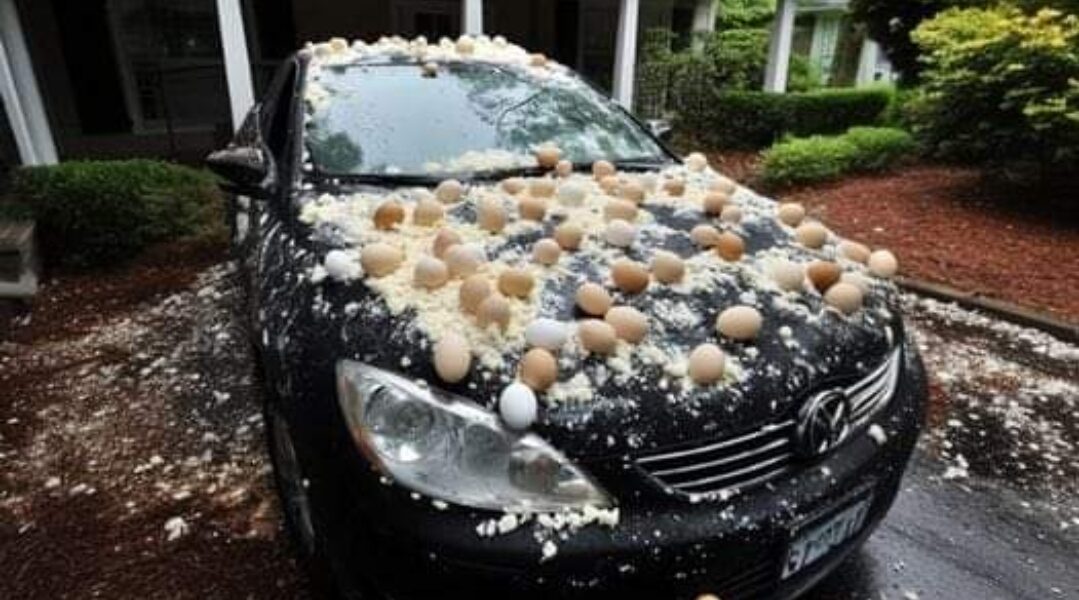
A photograph associated with the story shows a black Volkswagen covered in dozens of eggs, with broken shells and egg residue scattered across its hood, windshield, and surrounding driveway.
The image is certainly attention-grabbing. However, the photograph alone does not establish who placed the eggs on the vehicle, why it happened, or whether the incident occurred exactly as described.
Beyond the unusual story, the situation raises important questions about property damage, neighborhood disputes, and what drivers should do when someone deliberately targets their vehicle.
A Halloween Decoration Dispute That Allegedly Went Too Far
Halloween decorations have become increasingly elaborate in many American neighborhoods.
Some homeowners spend weeks preparing outdoor displays featuring skeletons, inflatable characters, artificial fog, pumpkins, and elaborate lighting.
For many families, decorating their homes is one of the most enjoyable parts of the holiday.
However, disagreements can occasionally arise when decorations, visitors, noise, or parking arrangements affect nearby residents.
In the story shared online, a neighbor allegedly became upset because a parked vehicle was obstructing the view of their Halloween decorations.
Rather than resolving the disagreement through a conversation, the neighbor was accused of covering the car with eggs.
The account has the ingredients of a dramatic neighborhood conflict, but the available photograph should not be treated as independent proof of the accusation.
The Photograph Shows a Car Covered in Eggs
The image associated with the story shows a black Volkswagen parked outside a residential property.
Dozens of eggs are visible across the hood, windshield, and roofline.
Some appear intact, while others are broken, leaving egg whites, yolks, and shells scattered over the vehicle.
Additional debris can be seen on the ground around the car.
Although the scene appears unusual, a single photograph cannot confirm whether the eggs were thrown, placed on the vehicle, or arranged for another purpose.
It also cannot establish the identity or motivation of anyone who may have been involved.
Nevertheless, the image provides a useful starting point for discussing a real concern: how raw eggs can affect automotive paint and what vehicle owners should do after an egging incident.
Can Throwing Eggs at a Car Damage the Paint?
Yes. Eggs can potentially damage a vehicle’s exterior, particularly when they strike the surface with force or remain on the paint for an extended period.
The damage can occur in several ways.
1. Impact Damage
An egg striking a vehicle can leave marks or chips in the clear coat or paint.
The hard shell may fracture on impact, and broken shell fragments can contribute to surface damage.
2. Dried Egg Residue
Egg whites and yolks can become difficult to remove after drying.
When residue hardens on a vehicle’s surface, aggressive scrubbing may cause additional scratches.
3. Heat and Sun Exposure
Warm temperatures and direct sunlight can cause egg residue to dry more quickly.
This makes prompt cleaning particularly important.
4. Damage During Improper Cleaning
Trying to scrape dried egg residue from the paint with sharp tools or abrasive materials can cause scratches.
Even if the original impact caused little damage, improper cleaning may make the situation worse.
What Should You Do If Someone Throws Eggs at Your Car?
Discovering that your vehicle has been targeted can be frustrating.
However, responding calmly and documenting the damage can help protect your interests.
Step 1: Take Photographs Before Cleaning
Before removing the eggs, photograph the affected areas from several angles.
Capture the hood, windshield, roof, doors, and any visible paint damage.
If there are broken shells or other debris around the vehicle, document those as well.
Photographs may be useful if you later need to make an insurance claim or report property damage.
Step 2: Avoid Confronting Anyone Aggressively
If you suspect a neighbor or another individual was responsible, avoid escalating the situation.
Accusations without evidence can make an already tense disagreement worse.
If you feel threatened, prioritize your safety and contact local authorities when appropriate.
Step 3: Remove the Egg Residue Carefully
Egg residue should be removed as soon as it is safe and practical.
Use plenty of clean water to loosen the material before touching the painted surface.
Avoid rubbing dry shells across the paint.
Step 4: Inspect the Vehicle for Damage
After cleaning, examine the affected areas for scratches, chips, stains, or changes in the finish.
If the damage appears significant, consider having the vehicle inspected by a professional detailer or body shop.
Step 5: Consider Reporting the Incident
If there is evidence of intentional property damage, contact local law enforcement through the appropriate non-emergency channel.
Keep photographs, repair estimates, and any relevant communications.
How to Safely Remove Eggs From Car Paint
Cleaning egg residue requires patience because broken shells and dried material can scratch the surface if handled incorrectly.
Follow these general steps.
1. Park in the Shade
If possible, move the vehicle to a shaded location before cleaning.
A cooler surface can make washing easier and reduce rapid drying.
2. Rinse Thoroughly With Water
Use a gentle stream of water to soften and remove loose egg residue.
Do not begin by rubbing dry shells across the paint.
3. Apply Automotive Shampoo
Use a car-wash shampoo designed for automotive finishes.
Follow the manufacturer’s dilution instructions.
4. Gently Wash the Affected Area
Once loose debris has been rinsed away, use a clean, soft microfiber wash mitt to remove the remaining residue.
Rinse the mitt frequently to avoid dragging shell fragments across the surface.
5. Rinse and Dry
Rinse the area thoroughly and dry it with a clean microfiber drying towel.
6. Check for Remaining Damage
Inspect the surface under good lighting.
If the finish appears scratched, chipped, or etched, consult a qualified automotive detailing professional.
Important: Avoid household abrasives, sharp scrapers, and harsh chemicals that are not approved for automotive paint.
Is Throwing Eggs at Someone’s Car Illegal?
Intentionally throwing eggs at another person’s vehicle may constitute vandalism, criminal mischief, or another property-related offense, depending on the circumstances and local laws.
Whether a particular incident qualifies as a crime depends on factors such as intent, the amount of damage, and the laws of the jurisdiction.
In some cases, the vehicle owner may also have grounds to seek compensation for cleaning or repair expenses.
However, legal outcomes cannot be determined from a photograph or an unverified online account.
If your vehicle has been damaged, document the situation and consult local authorities or an appropriate legal professional for guidance.
Will Car Insurance Cover Damage From Eggs?
Some automobile insurance policies may cover damage caused by vandalism under comprehensive coverage.
However, coverage depends on the specific policy, deductible, exclusions, and circumstances of the incident.
Liability-only coverage generally does not pay for vandalism damage to the policyholder’s own vehicle.
Before submitting a claim, consider obtaining a professional repair estimate and reviewing your policy terms.
If the repair cost is lower than your deductible, filing a claim may not provide a financial benefit.
Contact your insurance provider for information specific to your coverage.
What If a Neighbor Complains About Where You Park?
Parking disagreements are common in residential neighborhoods, especially during holidays or large gatherings.
However, the appropriate response depends on whether the vehicle is parked legally.
If a car is parked on a public street in compliance with local regulations, a neighbor generally cannot claim exclusive control over the space simply because they want an unobstructed view of their decorations.
Nevertheless, local parking restrictions, homeowners association rules, and other property regulations may apply.
When disagreements arise, a calm conversation is usually more productive than retaliation.
If a parking issue cannot be resolved informally, residents can seek clarification from local parking authorities or their homeowners association when applicable.
How to Prevent Neighborhood Disputes During Halloween
Halloween often brings additional traffic, visitors, decorations, and noise to residential streets.
A few practical steps can help reduce disagreements.
- Respect parking regulations: Avoid blocking driveways, sidewalks, fire hydrants, or other restricted areas.
- Communicate early: Discuss potential concerns with neighbors before they become serious disagreements.
- Keep decorations within appropriate boundaries: Avoid obstructing sidewalks, roads, or neighboring properties.
- Consider visitors: If your home attracts large numbers of Halloween visitors, encourage responsible parking.
- Avoid retaliation: Property damage and aggressive behavior can turn minor disagreements into serious problems.
- Document repeated incidents: Keep records if a disagreement develops into harassment or property damage.
Simple communication and mutual respect can prevent many unnecessary neighborhood conflicts.
Why Stories Like This Spread So Quickly Online
Neighborhood disputes frequently attract attention on social media because they involve everyday situations that many people can relate to.
Parking disagreements, property boundaries, loud decorations, and holiday displays are familiar topics in communities across the United States.
When a story includes an unusual photograph, such as a car covered in eggs, it can generate even more curiosity.
Readers naturally want to know what happened, who was responsible, and whether the situation was resolved.
However, dramatic photographs and attention-grabbing headlines do not necessarily establish the accuracy of every detail in an accompanying story.
It is important to distinguish documented incidents from anonymous accounts, unverified allegations, and images shared without their original context.
Frequently Asked Questions
Can eggs permanently damage car paint?
Yes. Egg impacts can chip or scratch paint, and improper removal of dried residue may cause additional damage. The severity depends on the impact and condition of the vehicle’s finish.
What is the best way to remove eggs from a car?
Rinse the affected area thoroughly with water, use an automotive shampoo, and gently wash with a clean microfiber mitt after loose shell fragments have been removed.
Should I report someone for throwing eggs at my car?
If you have evidence of intentional property damage, reporting the incident to local law enforcement may be appropriate.
Does insurance cover a car that has been egged?
Comprehensive auto insurance may cover vandalism-related damage, depending on the policy and deductible.
Can a neighbor stop me from parking on a public street?
Public street parking is generally governed by local laws and posted restrictions. A neighbor’s preference for an unobstructed view does not automatically give them control over a legal parking space.
Is throwing eggs at a vehicle considered vandalism?
It may be considered vandalism or criminal mischief, depending on local law, intent, and whether damage occurred.
Can dried eggs be removed without damaging the paint?
Often, yes. Gentle rinsing and proper automotive cleaning products may remove the residue. However, existing scratches or impact damage may require professional attention.
Was the Halloween decoration story confirmed?
The photograph shows a vehicle covered with eggs, but the image alone does not verify the alleged disagreement or establish who was responsible. Additional reliable evidence would be needed to confirm the full story.
Final Thoughts
A neighborhood disagreement over Halloween decorations might sound like a minor issue, but intentionally damaging another person’s property is never an appropriate solution.
The photograph associated with this story shows a dramatic scene: a black Volkswagen covered in eggs and broken shells.
Although the exact circumstances behind the image cannot be established from the photograph alone, the situation highlights several useful lessons.
Vehicle owners should document suspected vandalism, remove harmful residue carefully, and seek professional assistance when necessary.
Neighbors should also remember that respectful communication is far more effective than retaliation.
After all, Halloween decorations are supposed to bring a little fun to the neighborhood, not create an expensive argument.
What would you do if a neighbor complained that your legally parked car was blocking their Halloween decorations?
Sources and Further Reading
- Insurance Information Institute — Understanding Comprehensive Auto Insurance Coverage
- National Insurance Crime Bureau — Vehicle Crime Prevention
- Consumer Reports — Car Washing and Paint Care Guidance